Paprika: from field to plate
2026 / 10 / 13
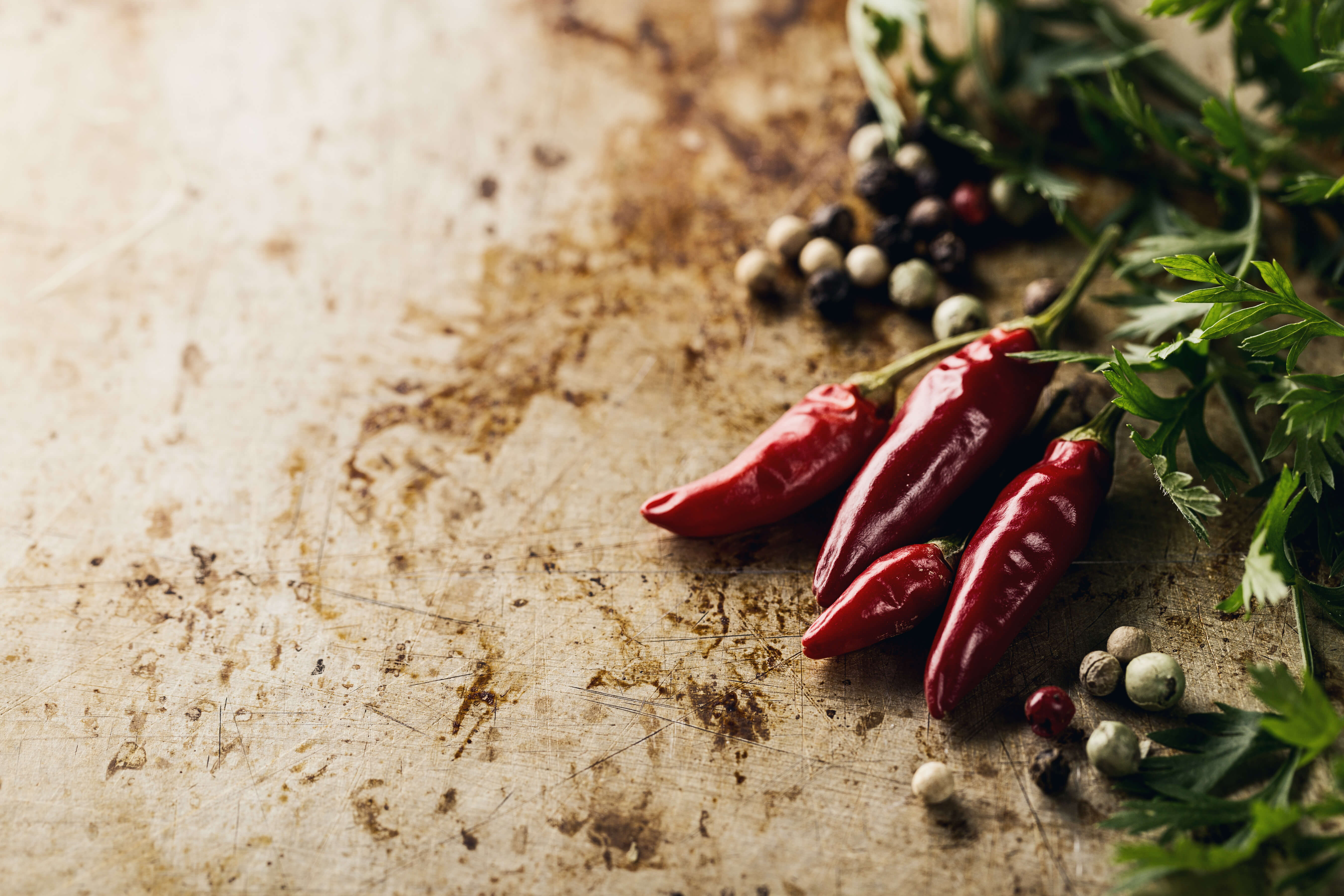
At the end of September and into October, the countryside around Kalocsa and Szeged turns red. This is when farmers pick and dry the spice that Hungarian cooking would be hard to imagine without. But what journey does paprika take before it reaches your plate?
An American plant that became Hungarian
Paprika wasn’t born in Europe. Columbus’s ships brought it over from the Americas, and in the 16th century it reached the Carpathian Basin from the Balkans, through Ottoman trade. At first it was grown as an ornamental and medicinal plant, and only later found its way into peasant kitchens.
By the 18th and 19th centuries, it had become so closely tied to Hungarian food that many people today simply think of it as a Hungarian spice. Pörkölt, paprikás and halászlé (fisherman’s soup) all date back to this period, at least in the form we know them today.
Two regions, two traditions
Two paprika-growing regions became famous in Hungary: the areas around Kalocsa and Szeged. Both lie on the sandy, sunny Great Plain, where paprika ripens well and builds up a rich red colour. Ground paprika from both regions now carries protected designation of origin status, which means only paprika grown and processed there can bear their names.
Harvesting, stringing, grinding
Paprika for spice is picked once the pods have turned red on the plant, usually in the second half of September and in October. Traditionally, the harvested pods were threaded onto strings and hung to dry on house walls, under the eaves. Red strings of paprika hanging from the walls are still part of the region’s autumn landscape.
The dried pods used to be crushed in a mortar, and later ground in mills. The grinding method, along with how much of the seeds and veins end up in the powder, largely determines the paprika’s flavour, colour and heat.
Class I and Class II: what does the label mean?
The class printed on a bag of paprika tells you about its quality. Under the Hungarian Food Codex, ground paprika is graded by flavour, aroma, fineness of grind and, above all, colour content. Colour is measured as an ASTA value: the higher the number, the deeper the colour and the more strongly it tints the food.
The top category is special, or special-grade paprika. It’s bright red, finely ground and has the highest colour content. Next comes Class I, or csemege (delicate) paprika, the everyday staple in most homes and kitchens. Class II is édesnemes (noble sweet), with a more subdued colour and aroma. Last in line is rózsapaprika (rose paprika), which contains the least colour.
Most mistakes in the kitchen happen when paprika is heated. Because of its sugar content, it burns in hot fat within seconds and turns bitter. That’s why experienced cooks always take the pot off the heat before adding paprika to the onions.
Pörkölt, paprikás, gulyás: what’s the difference?
Our guests from abroad often ask how these three dishes differ. Gulyás (goulash) is a soup. Pörkölt is a stew, eaten with galuska (small Hungarian dumplings) or bread. Paprikás is the sour cream version of pörkölt, usually made with lighter meats such as chicken, veal or fish.
Paprika at Korhely
At Korhely, paprika is the backbone of several classic dishes. We serve chicken leg paprikás with galuska, and catfish paprikás with túrós csusza (pasta with curd cheese and bacon). You can try our beef stew with galuska and sour cream foam, or with lángos, while our tripe stew comes with crispy sourdough bread. If you drop by this autumn, any of these will give you a taste of the best of this year’s paprika season.