Wild mushrooms in Hungarian cuisine
2026 / 10 / 13
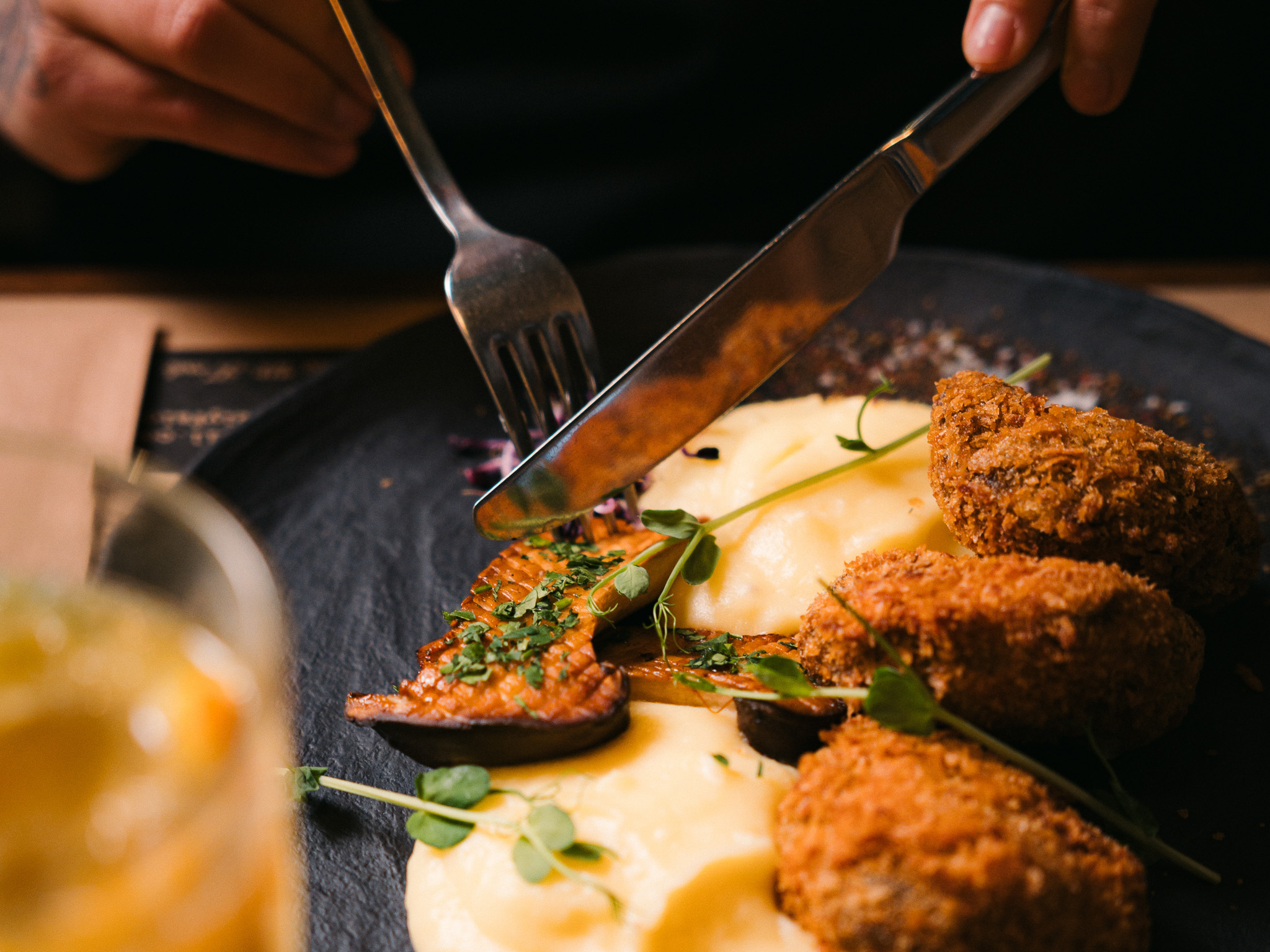
Autumn is the season for forest walks. This is when porcini, chanterelles and parasol mushrooms appear, and it’s truffle season too.
Mushroom foraging as a tradition
In rural Hungary, gathering mushrooms was long part of running a household, just like preserving or pickling. Whatever wasn’t eaten fresh was strung up and dried. In winter, the dried mushrooms went into soups and sauces, giving them a deep, earthy umami flavour.
Foraging know-how was passed down within families. Everyone knew which part of the forest was worth searching, and which mushrooms were safe to pick.
Three classics
The porcini, or penny bun, is a forager’s favourite. It grows in oak, beech and pine forests, with firm flesh and a nutty, earthy flavour. It’s best sautéed in butter when fresh, or added to soup when dried.
The chanterelle is easy to spot thanks to its orange colour. It has a mildly peppery, fruity taste and holds up well to longer cooking, which makes it a popular choice for mushroom paprikás and sour cream stews.
The parasol mushroom grows in meadows and along forest edges, and its cap can be as wide as your palm. In Hungary, it’s best known as rántott őzláb: the cap is breaded and fried, just like a schnitzel.
Getting them checked
Wild mushrooms include poisonous species, and some look strikingly similar to edible ones. The parasol mushroom, for example, is easily mistaken for certain species of Amanita. That’s why it’s worth having foraged mushrooms checked by a certified mushroom inspector before they go anywhere near the kitchen. At markets, only inspected mushrooms can be sold.
Truffles
Truffles hold a special place among mushrooms. They develop underground, next to tree roots, so they can’t be found by sight alone. Trained dogs are used to find them, picking up their scent and signalling where to dig. In Hungary, truffle hunting requires a permit.
Few people know that several kinds of truffle grow in Hungary. The most common is the summer truffle, while in autumn its Burgundy variety ripens, with a stronger, more intense aroma. The sandy soils between the Danube and the Tisza are home to a very particular species too: the sand truffle.
Most of a truffle’s flavour comes from its aroma, and that aroma dissolves best in fat. That’s why truffles are so often paired with butter, cream, potatoes and pasta. These ingredients create a neutral background that lets the aroma come through.
Mushroom season at Korhely
On our menu, truffle gives character to our creamy linguine, served with beef tenderloin or king prawns. The same aroma goes into the mashed potatoes that accompany our tenderloin steak and cordon bleu. In autumn, though, the forest’s harvest arrives in our kitchen too: our seasonal chef’s specials bring back all the typical flavours of the season.